Examining Entry Processes for Participants in Connected Gambling Platforms
Written by Bianca Schwarz · Sep 3, 2026

Examining Entry Processes for Participants in Connected Gambling Platforms
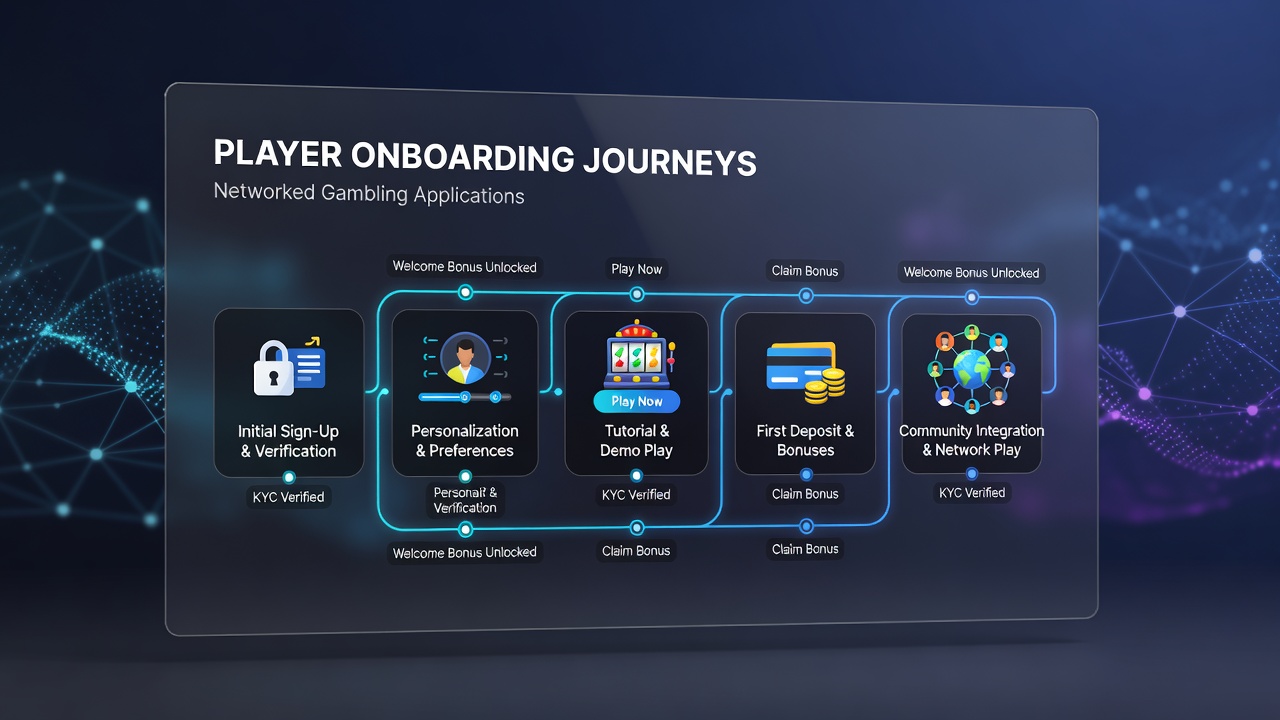
Networked gambling applications rely on structured entry sequences to bring new participants into digital environments where real-time betting and gaming occur across connected servers. These sequences typically begin with account creation that captures basic details such as email address, username, and password, followed by verification steps that confirm identity through government-issued documents or biometric checks in many jurisdictions. Research indicates that platforms complete initial registration within minutes when users provide accurate information, yet delays arise when additional documentation requires manual review by compliance teams.
Initial Registration and Data Collection Phases
Users encounter forms that request personal information including date of birth, residential address, and preferred payment methods right at the start, while systems automatically check for duplicate accounts to prevent multiple profiles from the same individual. Data shows that automated validation tools flag incomplete entries instantly, prompting users to correct details before proceeding to the next stage. Observers note that platforms integrate geolocation services during this phase to confirm users operate within permitted regions, a step that aligns with rules enforced by bodies like the New Jersey Division of Gaming Enforcement.
Identity Verification and Compliance Requirements
Verification processes follow registration and often involve uploading identification cards or passports along with proof of address such as utility bills, although some applications now employ facial recognition paired with document scans for faster approval. Studies from academic institutions reveal that verification success rates improve when platforms offer clear instructions and multiple upload formats, whereas rejection rates climb due to blurry images or mismatched data. In September 2026 industry reports highlighted increased adoption of AI-driven checks that reduce average verification times from hours to under thirty minutes across major networks.
Regulatory frameworks in places such as Malta and Australia require these checks to occur before any real-money activity begins, which means users cannot deposit funds or place wagers until approval completes. Those who've studied user behavior patterns observe that participants who finish verification promptly show higher retention during early sessions compared to those who pause midway through the process.
Deposit Integration and First Interaction Steps
Once verified, users move to funding their accounts through linked bank transfers, credit cards, or digital wallets, and platforms often display welcome bonuses that activate upon the first deposit. Payment gateways connect directly to banking networks to process transactions securely, with instant confirmation messages appearing on screen while backend systems update balances in real time. Research from Canadian gaming authorities indicates that seamless payment integration during onboarding correlates with quicker progression to actual gameplay, as users avoid friction that might otherwise lead them to abandon the application.
Tutorials and guided tours appear at this point to explain game rules, interface elements, and responsible gaming tools such as deposit limits or self-exclusion options, and these educational layers help new participants navigate the platform without confusion. Applications frequently track completion rates for these tutorials, adjusting content based on user drop-off points identified through analytics.
Network Connectivity and Session Management Elements
Networked environments require stable connections throughout onboarding because account data syncs across multiple servers to enable features like live betting and multiplayer tables. Systems monitor connection quality during initial logins, switching users to optimal servers when latency spikes occur, which prevents interruptions during the critical first deposit and game selection moments. Figures from industry organizations reveal that platforms maintaining uptime above 99 percent during peak onboarding hours retain more new users over subsequent weeks.
Security protocols activate automatically with each new session, encrypting data transfers and prompting two-factor authentication setup before users access full features. Observers note that these measures protect both the platform and participants while meeting standards set by various international gaming associations.
Conclusion
Player entry sequences in networked gambling applications combine registration, verification, funding, and introductory guidance into a continuous flow that prepares users for sustained participation. Data from regulatory and academic sources continues to shape refinements in these processes, ensuring compliance and operational efficiency across global networks as of late 2026.